Crochet Patterns

I was chat­ting with Eve about crochet pat­terns that are worth mak­ing, and found out she did­n’t know about Priscil­la’s crochet. Priscil­la’s web­site was off the air for what seemed like ages (maybe a year?) but is now back again; it has lots of crochet pat­terns for afghans and book­marks and pothold­ers and that sort of thing. I’ve made a few of the pat­terns and not had any prob­lems with them. The site is a little clunky and old-fash­ioned, and has a couple of links that look weird, but don’t let that put you off the pat­terns themselves.

I’m fairly old-fash­ioned in what I like to crochet – mostly Christ­mas dec­or­a­tions, coast­ers, doil­ies, book­marks, hats. I tend to crochet things and then put them away and not use them as I don’t really have the right spots to show them off. Except for the coast­ers, which the cats seem to think I made for them to play with. I don’t usu­ally like the look of cro­cheted cloth­ing although some light, breezy sum­mer tops look good. Not that I’ve ever made one, my list of things to knit and crochet is long enough already! 

Oth­er pat­tern links I have found include Free Pat­terns; you have to register at the site but I haven’t got any spam from it that I know of. They have all sorts of pat­terns, not just for crochet and knit­ting. There’s Crochet­Me, which claims to have “con­tem­por­ary, cool, hip, fash­ion­able crochet.” There aren’t a lot of pat­terns there that interest me per­son­ally, but then there aren’t a lot of pat­terns (yet), so I’ll prob­ably look again in a few months time and see what’s there. In the pay-for cat­egory, some of the pat­terns at Stitch Diva look good, at least for warm­er days or a warm­er cli­mate. So many ideas, so little time…

Leap of Faith

The book club I belong to decided to read Queen Noor’s “Leap of Faith: Mem­oirs of an Unex­pec­ted Life”, her auto­bi­o­graphy, and this is a sum­mary of our review. Part of the reas­on we chose this book was in the hopes that it would be a more access­ible way of learn­ing more about that part of the world, and par­tially because one of the mem­bers used to work in the same com­pany as Queen Noor when she was still Lisa Halaby, and was curi­ous as to what the book would be like.

The book was obvi­ously pop­u­lar amongst book clubs; there was a list of poten­tial ques­tions for people to dis­cuss in the back, most of which missed the point of the book in our opin­ion. So we ignored them.

Leap of Faith was writ­ten not only as an auto­bi­o­graphy, but also to expose Jord­an’s point of view to a wider (West­ern) audi­ence; Queen Noor is quite clear about that in the book. As such, it’s suc­cess­ful. It’s an easy read, though very choppy. The book has a mostly chro­no­lo­gic­al struc­ture, but keeps wan­der­ing off into themes and so you hear about vari­ous chil­dren and what they did before you get to read the chapter in which they’re born, for example. If you can read the book reas­on­ably quickly, then it all still hangs together. 

Our book club mem­ber who had known Lisa before (albeit not very well) poin­ted out that a lot of things were miss­ing; this is not a tell-all book and Queen Noor seems to be at some pains to paint her­self as naive and inno­cent before her mar­riage, des­pite her edu­ca­tion and work exper­i­ence. But the book does suc­ceed where it presents Jord­an’s point of view on issues, par­tic­u­larly the issue of Israel and Palestine. I am not par­tic­u­larly well read on Middle East­ern issues and pre­vi­ously had­n’t known that any­body there con­sidered the Egypt-Israel peace treaty of 1979 a bad idea; the book goes into some detail on why (chiefly that many wanted a com­pre­hens­ive peace treaty and feared that a piece­meal solu­tion would hinder that). I also had­n’t known that Jordan is a poor coun­try with no oil, or any­thing about the Hashemites, and this book is an access­ible intro­duc­tion to both of those topics.

In sum­mary, I found the book worth read­ing even though the chop­pi­ness and incon­sist­en­cies annoyed me. A good intro­duc­tion to a part of the world that I did­n’t know enough about pre­vi­ously, and prob­ably still don’t, but at least I know more than I did.

Kiwifruit Trivia

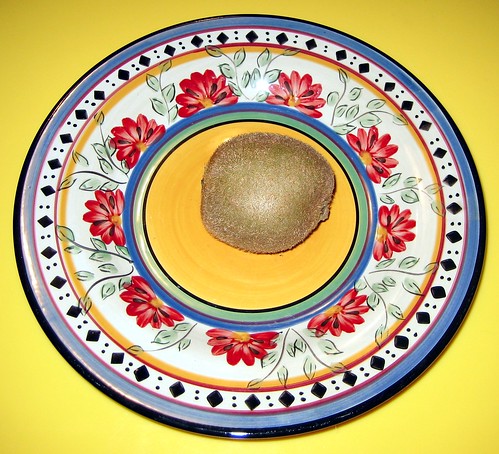
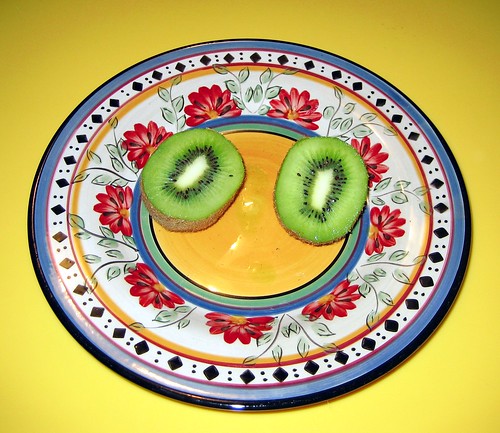
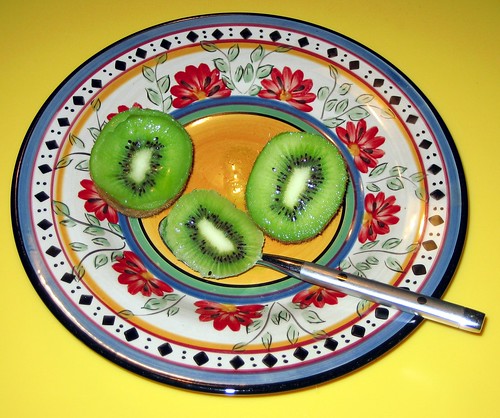
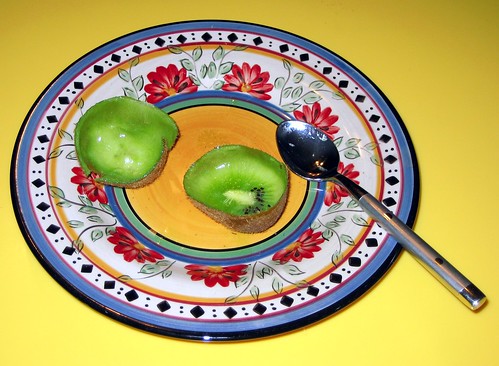
When Eve was vis­it­ing a few weeks ago, she said that someone was tour­ing gro­cery stores in her area teach­ing people how to eat kiwifruit effi­ciently. I expressed some scep­ti­cism that this was neces­sary; she assured me it was. For fun I decided to do a photo shoot of how to cut and eat kiwifruit the way I learned as a child in New Zea­l­and (it also gave me an excuse to play around with host­ing pic­tures on Flickr). So here you have the series, enjoy! I do find that kiwifruit from New Zea­l­and taste bet­ter, the ones from oth­er coun­tries seem to be less intense and juicy. If they’re not ripe when you get them, put them in a paper bag with an apple to ripen. They keep for some time in the fridge but taste bet­ter at room tem­per­at­ure. Once the skin has star­ted to wrinkle, eat without delay as they are on their way to being too soft and squidgy. I have made kiwifruit lem­on­ade for a party which is fun (the green col­our is start­ling to many people) and a good way to use up squidgy kiwifruit.

uncut kiwifruit kiwifruit cut in half start scooping
first portion scooped out first half eaten almost done

Books on Raising Children

There seem to be as many philo­sophies about how to bring up chil­dren suc­cess­fully as there are par­ents, which fact you tend not to dis­cov­er until you are a par­ent your­self. And then you have to hope that your philo­sophy is reas­on­ably con­gru­ent with that of the oth­er par­ent and/or care­givers in your child’s life. We’ve been lucky in this regard; there are always issues that need to be dis­cussed but Tim and I gen­er­ally have sim­il­ar views on child-rear­ing issues. Most of this we had to fig­ure out as we went along (for­tu­nately there are few things you do that are really crit­ic­al and can­’t be fixed later). I found a couple of books to be really use­ful in fig­ur­ing things out, so here’s a quick run-down on which and why.

There are a large num­ber of books on the sub­ject of rais­ing chil­dren, each with their own philo­sophy and assump­tions, so it’s inter­est­ing try­ing to fig­ure out the dif­fer­ent per­spect­ives they were writ­ten from. And the books all have to be writ­ten to allow for the old adage of “they’re all dif­fer­ent” (when you have two, you find out just how true that is). I’ve found with this second baby I’ve ten­ded not to read the books as avidly as I did with the first, prov­ing I guess the oth­er adage about first-time par­ents being tense and want­ing to do everything per­fectly, while more exper­i­enced par­ents relax more and settle for hav­ing things be done well enough. When you have two chil­dren, well enough really is good enough and that leaves you a little time to try to keep your own san­ity as well.

I found three books worth read­ing and hav­ing. First, Penelope Leach’s Your Baby and Child, which is divided into sec­tions accord­ing to the age of the child up until the age of five. The book’s philo­sophy is to be “be kind to and gentle with your baby”; there is lots of mater­i­al on the child’s point of view and how to inter­pret reac­tions and actions. As an added bonus, the pho­tos are great and our son loved look­ing at them when he was a toddler. 

Dr. Spock­’s Baby and Child Care is the clas­sic I turn to when I’m not sure about wheth­er the baby needs to go to the doc­tor for some­thing that looks minor but might not be, or for an issue affect­ing our sev­en-year-old who’s “out­grown” the oth­er book. The tone seems to me to be more mat­ter-of-fact although there’s also a lot of psy­cho­logy in the book; the dif­fer­ence is tone is prob­ably because of the issues deal­ing with older chil­dren and the emphas­is on bal­ance with­in the family.

And for boys from tod­dler age up, I recom­mend Steve Bid­dulph’s Rais­ing Boys. This is a quick read that has ideas on how to cope with the bio­lo­gic­al dif­fer­ences between boys and girls that affect how many boys behave once they’re past the tod­dler stage. I’ve recom­men­ded this to sev­er­al people and lots have told me they’ve found it use­ful with their sons. I’m going to get anoth­er one of his books out of the lib­rary to read to see wheth­er it has use­ful stuff to say about rais­ing a daughter.

There are lots of oth­er books I’ve read but would­n’t neces­sar­ily recom­mend for any­thing oth­er than get­ting out of the lib­rary, since I read them once and not again. Libby Purves’ How Not to Be a Per­fect Moth­er fits into this cat­egory; fun to read once but not a must-have for the par­ent­ing lib­rary. Edward Chris­toph­ersen’s Little People: Guidelines for Com­mon Sense Child Rear­ing was mostly good, though I dis­agreed with some parts of the book. I read it once, figured out the import­ant bits of the “catch them being good” mes­sage (which is use­ful) and haven’t read it again since. YMMV on any or all of these books of course (what was that about they’re all dif­fer­ent? So are the parents…)

Bootees

I was a few months preg­nant when Tim asked when I was going to knit some bootees (aka booties) for the baby. I wondered why he had­n’t asked for the first child, he answered that he had­n’t known I could knit back then. Fair enough.

So I got some yarn in time for the trip to Hawaii, think­ing it would be a good chance to get some knit­ting in. I tried two pat­terns, one from a book of my great-aunt’s, and one on the web; I pre­ferred the web pat­tern (they’re the bootees on the right). Once the baby arrived of course, we redis­covered why we had­n’t used the bootees we had with our first child; they don’t stay on the feet! Socks or out­fits with feet built-in are much more prac­tic­al. Although I did dis­cov­er that if you put socks on first, the bootees do stay on longer.

The res­ults of the Hawaii knit­ting are here, show­cased on a table­cloth I got in Hawaii… Baby's jacket and bootees

The jack­et is a seam­less cabled jack­et, knit­ted in Baby Soft by Lana Gatto from a pat­tern that’s no longer avail­able. The only slightly tricky bit was mak­ing the increases work into the cable pat­tern prop­erly, that required a piece of paper and a cer­tain amount of cal­cu­lat­ing. Oth­er than that, a reas­on­ably easy knit and the yarn is lovely and soft. I just hope she spends as much (or more) time wear­ing it as I did knit­ting it!

Coffee Musings

The Pacific North­w­est is meant to be an area full of cof­fee bars and people addicted to the bean, but in Van­couver it’s not the num­ber one addic­tion by any means, at least judging by the num­ber of estab­lish­ments you see. It’s far easi­er to find sushi than cof­fee! Some anec­dot­al evid­ence — we took our son to a birth­day party in Coquit­lam (one of the sub­urbs in Great­er Van­couver) and after drop­ping him off at the party, I decided I wanted some cof­fee. Driv­ing around the streets in search of a café we noticed every strip mall had a sushi bar (some of dubi­ous qual­ity), but we had to drive to a large mall to find a cof­fee bar. I had­n’t thought to look up cof­fee bars in Delo­c­at­or first, so we ended up with Star­bucks, but at least it was coffee.

And some­thing I only dis­covered last week which will be of interest to lan­guage ped­ants — in North Amer­ica, cof­fee cake is a type of cake with crumble or streusel on top that is served with cof­fee. Where I grew up (New Zea­l­and) and lived (Aus­tralia) and, I assume, in many oth­er parts of the Eng­lish-speak­ing world, a cof­fee cake is a cake that has cof­fee as one of its main ingredi­ents. I have a recipe book from Great Bri­tain with a recipe for cof­fee car­rot cake, for example, which has cof­fee in it, and no streusel on top. I guess I don’t eat cake very often since it took 10 years to dis­cov­er this discrepancy…